In brief
- No product can predict random US lottery draws.
- Claims of higher odds or guaranteed wins are red flags.
- Honest tools describe convenience, not results.
Why this matters
Lottery products are often sold with bold promises. A few simple questions help you tell a useful tool from an exaggerated one.
Five questions to ask
- Does it claim to predict numbers? Official draws are random, so that claim can't be true.
- Does it promise better odds? Your odds depend only on the game and how many tickets you buy.
- Are there "confidence scores" for future draws? A percentage attached to a random future event is marketing, not math.
- Is the price and refund policy clear? Look for a one-page summary before checkout.
- Does it talk about responsible play? Serious products mention budgets and help lines.
Applying the test to Apollo AI
We hold ourselves to the same standard. Apollo AI organizes past results with the Historical Draw Library, charts them in the Visual Chart Suite and suggests sets. It does not predict draws or raise odds, and the price and 14-day refund are shown on our pricing page.
If something sounds too good
It usually is. Walk away from any offer that promises winnings or pressures you to act fast.
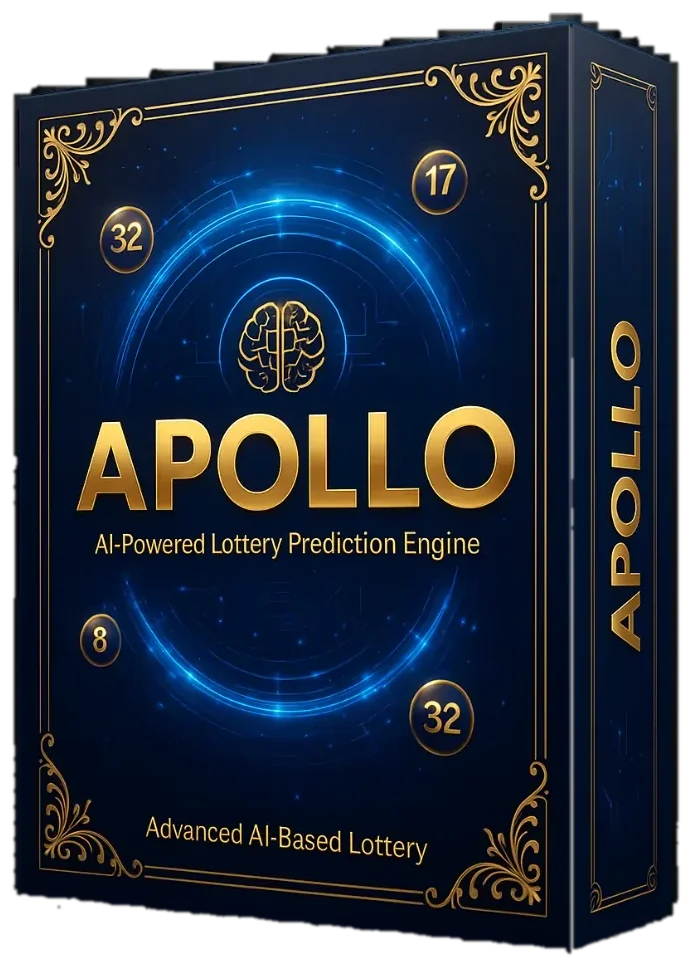
Apollo AI charts past US draws and gives you a set in one click. $147 once, 14-day refund.
Get Apollo AIGeneral information for US readers. Not legal or financial advice. Lottery draws are random.
Keep reading
- Keno vs Draw Games: How They Differ in US Lotteries
- Scratch-Offs vs Draw Games: What US Players Should Know
- Jackpot Rollovers Explained: Why Top Prizes Keep Growing
- Tips for Buying at US Lottery Retailers
- Newer Draw Game Formats Popping Up Across the USA
- Talking About Lottery Spending at Home
- Apollo AI on Desktop vs Phone: Which Works Best for You?